中文简体
中文简体の 50Ω編組ケーブル は、現代のエレクトロニクス、電気通信、RF エンジニアリングにおいて最も広く導入されている伝送線タイプの 1 つです。 50 オームの特性インピーダンスは、信号減衰、電力処理能力、および電圧降伏性能のバランスを単一の標準化された値でバランスさせる、慎重に検討されたエンジニアリング上の妥協を表しており、世界中の RF およびマイクロ波システムの事実上の標準となっています。アンテナ給電システムの設計、テストベンチの構築、ワイヤレス ネットワークの展開、または軍用通信機器の操作のいずれの場合でも、信頼性の高い低損失の信号伝送を実現するには、50 オーム編組同軸ケーブルの構造、その性能、アプリケーションに適したケーブルの選択方法を理解することが不可欠です。
なぜ 50 オームなのか?標準の背後にあるエンジニアリング ロジック
の choice of 50 ohms as a standard impedance is not arbitrary. It derives from a mathematical analysis of coaxial cable behavior in which two competing performance parameters are optimized simultaneously. For a coaxial cable with air dielectric, minimum signal attenuation per unit length occurs at approximately 77 ohms, while maximum power handling capacity occurs at approximately 30 ohms. The geometric mean of these two values falls close to 50 ohms, making it the practical sweet spot for systems that must simultaneously handle reasonable power levels while keeping signal losses manageable across a wide frequency range.
この 50 オーム規格は軍によって正式に採用され、その後広範な RF およびエレクトロニクス業界で採用されました。つまり、コネクタ、計測器、アンプ、アンテナ、テスト機器の圧倒的な部分が 50 オーム システムを中心に設計および特性化されているということです。このエコシステム全体の標準化自体が、50 オーム編組ケーブルを使用するための強力な実践的な議論になります。たとえわずかに異なるインピーダンスが理論的にはわずかに優れたパフォーマンスを提供する可能性がある場合でも、コンポーネントの可用性、システム統合の容易さ、および公開されている豊富な設計データのすべてが 50 オーム標準を支持します。放送および民生用ビデオ アプリケーションで使用される 75 Ω 標準は、唯一の重要な競合製品であり、特にそのコンテキストでの減衰を最小限に抑えるために最適化されています。
50オーム編組ケーブルの構造
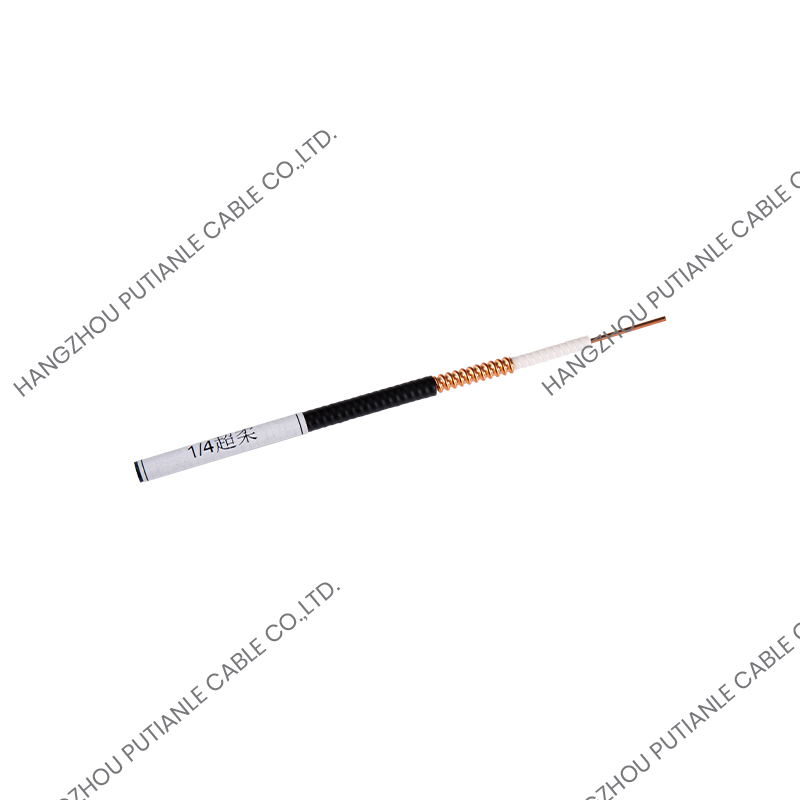
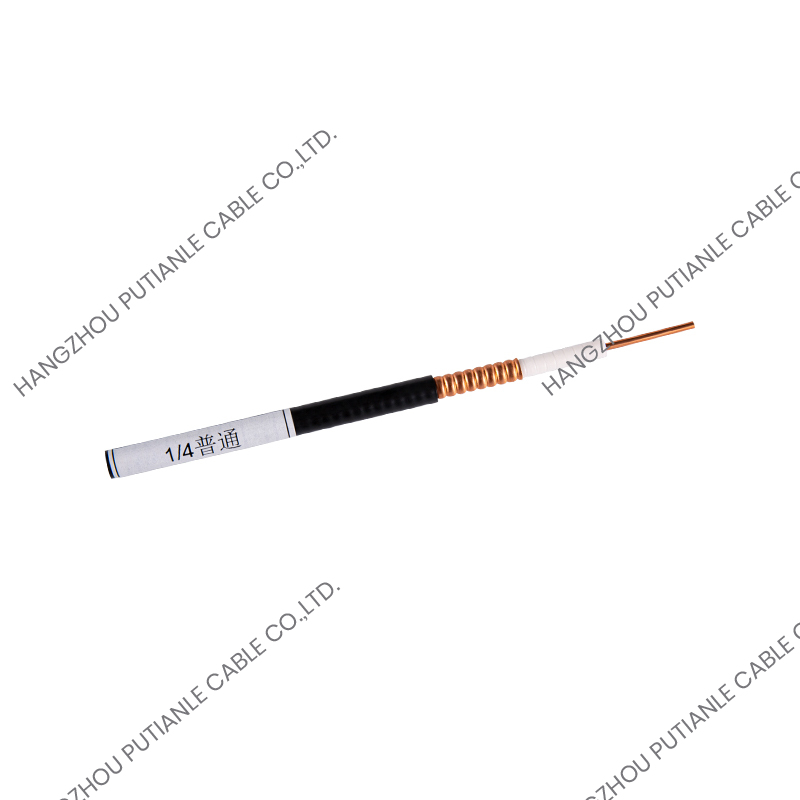
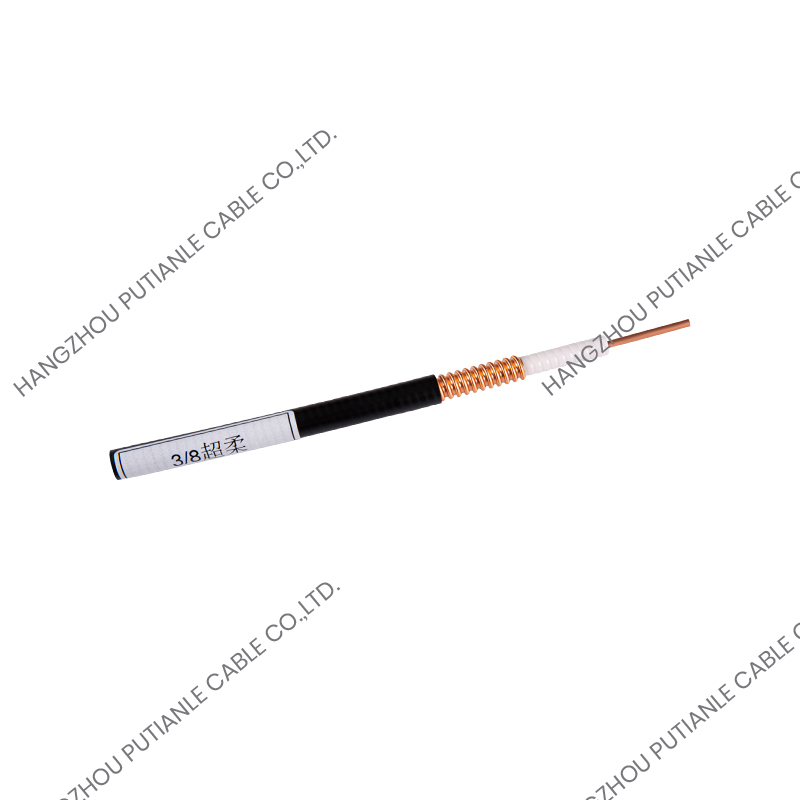
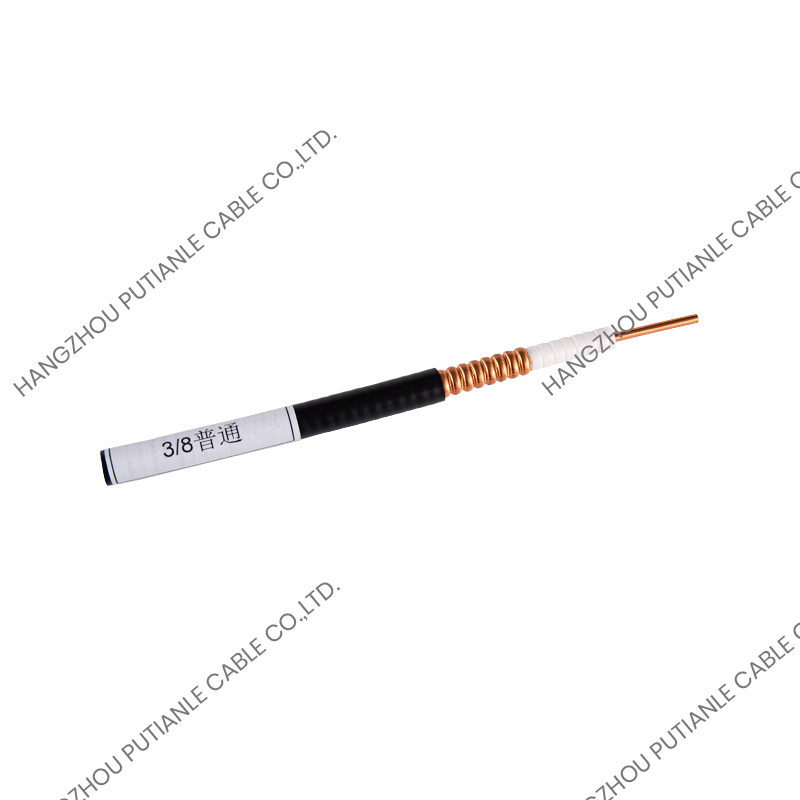
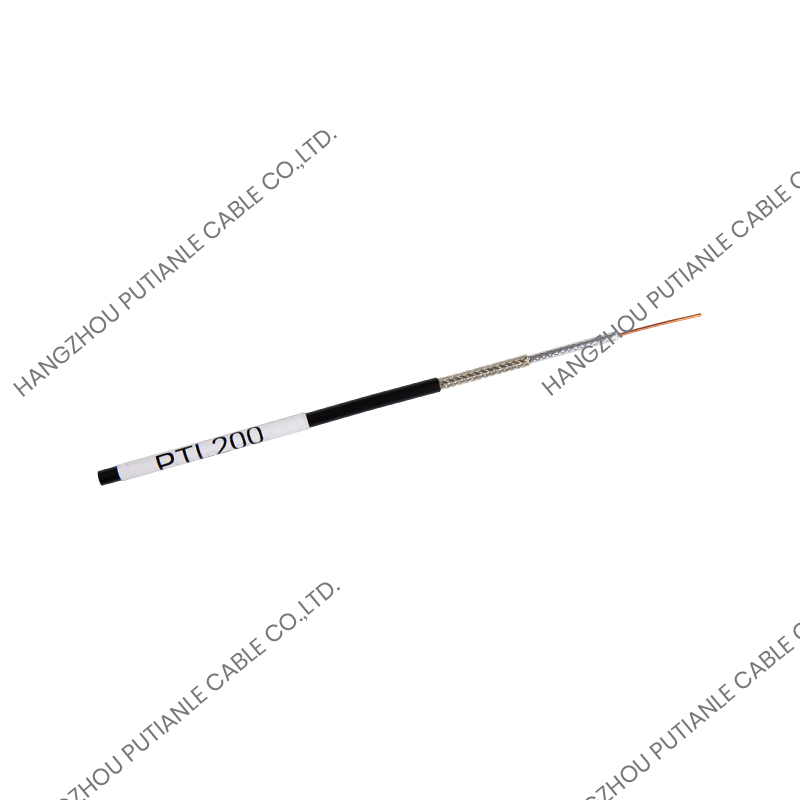
50 オーム編組同軸ケーブルの物理的構造を理解することは、その電気的性能、機械的制限、および環境適合性を理解するための基礎となります。ケーブル構造の各層は、全体的なインピーダンス、損失、シールド効果、および柔軟性に寄与します。
内部導体
の inner conductor forms the core of the cable and is the primary signal-carrying element. It is typically made from bare copper, tinned copper, or silver-plated copper wire. Solid conductors offer lower DC resistance and are preferred for fixed installations where flexibility is not a concern. Stranded conductors — multiple fine wires twisted together — improve flexibility and fatigue resistance, making them better suited to applications involving repeated bending or movement. Silver-plated copper conductors are used in high-frequency applications where the skin effect concentrates current flow on the conductor surface, and the higher conductivity of silver at the surface reduces resistive losses at microwave frequencies.
誘電絶縁
の dielectric material surrounding the inner conductor determines the cable's velocity of propagation, its capacitance per unit length, and contributes significantly to signal attenuation through dielectric losses. Solid polyethylene (PE) is a traditional dielectric offering stable electrical properties and good moisture resistance. Foamed or cellular polyethylene introduces air voids into the dielectric, reducing its effective permittivity and improving both velocity factor and attenuation compared to solid PE. PTFE (polytetrafluoroethylene) dielectric is used in high-temperature and high-frequency applications because of its exceptionally low loss tangent and thermal stability up to 260°C. The dielectric dimensions, combined with the inner conductor diameter, are what physically set the cable's characteristic impedance at 50 ohms.
編組シールド
の braided outer conductor is the defining structural element that gives braiding cable its name. It consists of multiple fine wires woven in an interlocking over-under pattern around the dielectric, forming a flexible tubular mesh that serves as both the return conductor and the electromagnetic shield. Braid coverage — expressed as a percentage of the surface area covered by the woven wires — is a critical specification. Coverage levels of 85–95% are typical for standard applications, while 95–98% coverage is used in high-shielding applications. Higher coverage reduces shield resistance and improves shielding effectiveness but also increases cable weight and stiffness. Some cables use a double braid — two concentric braided layers — for applications demanding superior EMI rejection, typically achieving shielding effectiveness values exceeding 90 dB across a wide frequency range.
アウタージャケット
の outer jacket protects the cable mechanically and environmentally. PVC jackets are common in general-purpose applications, offering flexibility and moderate UV and chemical resistance at low cost. PE jackets provide superior moisture resistance for outdoor and burial applications. LSZH (Low Smoke Zero Halogen) jackets are mandated in enclosed public spaces and plenum installations where combustion byproducts must be minimized. Fluoropolymer jackets such as FEP or PFA offer the broadest temperature range and chemical resistance, used in aerospace and industrial environments where standard jacket materials would degrade.
50 オーム編組ケーブルの一般的なタイプとその仕様
の 50 ohm braiding cable market offers a wide range of standardized cable types, each optimized for a different balance of size, loss, power handling, and flexibility. The table below summarizes the most commonly used types and their key electrical and mechanical parameters.
| ケーブルの種類 | 外径 | 1GHzでの減衰 | 最大周波数 | 代表的な用途 |
| RG-58 | 4.95mm | ~0.55dB/m | 1GHz | 研究室での使用、アマチュア無線、短時間の運用 |
| RG-8 / RG-213 | 10.3mm | ~0.18dB/m | 1GHz | HF/VHF基地局、CB無線 |
| LMR-400 | 10.29mm | ~0.13dB/m | 5.8GHz | 携帯電話、Wi-Fi、アンテナ給電線 |
| LMR-200 | 5.38mm | ~0.34dB/m | 5.8GHz | Wi-Fi パッチ ケーブル、短いアンテナ配線 |
| RG-316 | 2.49mm | ~1.05dB/m | 3GHz | テストリード、内部配線、RFモジュール |
| RG-142 | 4.95mm | ~0.49dB/m | 3GHz | 軍事、航空宇宙、高温環境 |
| ウルトラフレックス/マイクロ波ケーブル | 異なります | 異なります | 最大65GHz | 試験および測定、マイクロ波システム |
RG-58 は、短距離の低周波数アプリケーションにとっては依然として最もコスト効率の高いオプションですが、減衰が比較的高いため、100 MHz を超える長いケーブルの配線には適していません。 LMR-400 は、同様のフォームファクターでより低い減衰を実現する発泡誘電体構造により、現代の設置において RG-8 および RG-213 に大きく取って代わりました。 RG-316 と RG-142 はどちらも PTFE 誘電体を使用しており、物理的なサイズが周波数範囲と同じくらい制限されている航空宇宙および計器用途で使用されるコンパクトで柔軟な高温対応ケーブルのニッチ市場を埋めます。
評価すべき主要な電気パラメータ
インピーダンス値のみに基づいて 50 オーム編組ケーブルを選択するのは不十分です。ケーブルが意図された耐用年数にわたって確実に動作することを確認するには、特定のアプリケーションの要件に照らしていくつかの追加の電気パラメータを評価する必要があります。
- 減衰 (挿入損失): 指定された周波数における単位長さあたりの dB で表される減衰は、おそらくシステム バジェットの計算において最も実用的に重要なパラメーターです。これは周波数とケーブルの長さに応じて増加するため、受信側で適切な信号レベルを確保するためにリンク バジェット計画で考慮する必要があります。
- 速度係数 (VF): の velocity factor describes how fast the signal propagates through the cable relative to the speed of light in free space, typically ranging from 0.66 for solid PE dielectric to 0.85 or higher for foamed dielectric cables. This parameter is critical when cutting cable to a specific electrical length, such as when building quarter-wave transformers or phasing harnesses.
- 電力処理能力: 送信アプリケーションでは、平均電力 (抵抗損失による熱加熱によって制限される) とピーク電力 (誘電体の電圧破壊によって制限される) の両方を検証する必要があります。より高い周波数では、単位長さあたりにより多くの熱を発生する減衰が増加するため、平均電力処理は大幅に低下します。
- シールド効果: dB 単位で定量化されるシールド効果は、外部の電磁干渉が信号経路に結合するのを防ぎ、信号エネルギーが外部に放射するのを防ぐケーブルの能力を測定します。これは、高密度 RF 環境、EMC に敏感な設備、軍事または医療用途では特に重要です。
- VSWR と反射損失: 電圧定在波比 (VSWR) とリターンロスは、ケーブルがその長さに沿って公称 50 オームのインピーダンスをどの程度維持するかを特徴付けます。製造上のばらつきや物理的損傷によってインピーダンスの均一性が低下すると、システムのパフォーマンスを低下させる反射が発生します。
- 単位長さあたりの静電容量: の distributed capacitance of the cable — typically 75–101 pF/m for 50 ohm cables — affects the cable's behavior at high frequencies and its interaction with source and load impedances in broadband systems.
50オーム編組ケーブルの用途
の 50 ohm braiding cable serves as the physical transmission backbone in an enormous range of applications spanning commercial, industrial, scientific, and military domains. Its versatility stems from the broad frequency range over which it maintains predictable, characterizable behavior and the mature ecosystem of compatible connectors and components that surrounds it.
ワイヤレスおよび携帯電話のインフラストラクチャ
携帯電話基地局、分散型アンテナ システム (DAS)、および Wi-Fi アクセス ポイントの設置では、信号損失を厳密に制御する必要がある距離を超えて、50 オーム編組ケーブル (通常は LMR-400 または同等の低損失代替品) を使用してトランシーバーをアンテナに接続します。ケーブル損失がデシベルごとに発生すると、有効放射電力とシステム範囲が直接減少するため、これらのアプリケーションでは低減衰ケーブルの選択が重要になります。ミリ波周波数によって重大な減衰ペナルティが課される 5G 導入では、ケーブル長を最小限に抑え、サイズ制約内で利用可能な最小損失のケーブルを使用することがエンジニアリングの優先事項です。
アマチュア無線と放送
アマチュア無線家は、HF、VHF、および UHF 帯域にわたってトランシーバーをアンテナに接続するために 50 オームの同軸ケーブルに大きく依存しています。 RG-8、RG-213、LMR-400 は屋外アンテナ給電線の主要な選択肢であり、低損失と堅牢な機械構造の組み合わせが評価されています。放送送信施設では、50 オームのリジッドまたはセミリジッド同軸伝送線が送信機とアンテナ システム間の大電力信号を処理するため、キロワット レベルの連続電力処理に耐える定格のケーブルが必要です。
試験と測定
RF テストベンチは、スペクトラム アナライザ、ベクトル ネットワーク アナライザ、信号発生器、パワー アンプ、およびテスト対象デバイスを相互接続するために 50 オームの編組ケーブルを使用します。この状況では、屈曲時の位相安定性が特に重要な要件です。精密測定に使用されるケーブルは、位置を変更しても一貫した電気長を維持する必要があり、特殊な位相安定ケーブル構造は、制御された導体形状と寸法安定性の誘電体材料を通じてこの要件に対処します。 RG-316 および高精度マイクロ波ケーブルは、そのコンパクトなサイズと広い使用可能な周波数範囲により、テストおよび測定環境の主力製品です。
軍事および航空宇宙
軍事および航空宇宙用途では、-65°C ~ 200°C の極端な温度範囲での動作、振動や機械的衝撃に対する耐性、液体や燃料に対する耐性、MIL-DTL-17 などの MIL-SPEC 規格への準拠など、50 オーム編組ケーブルに最も厳しい要件が課されます。 PTFE 誘電体と二重銀メッキ銅編組を備えた RG-142 は、これらの環境では一般的な選択肢であり、MIL-C-17 要件を満たしながら、商用グレードのケーブルが急速に劣化する条件下でも信頼性の高いパフォーマンスを提供します。
50 オーム編組ケーブルの設置と保守に関する実践的なガイドライン
最高品質の 50 オーム編組ケーブルであっても、取り付けが間違っていたり、避けられない機械的ストレスにさらされたりすると、性能が低下します。確立された設置のベストプラクティスに従うことで、ケーブルのインピーダンスの均一性、シールドの完全性、および長期的な信頼性が維持されます。
- 最小曲げ半径を尊重してください。 各ケーブル タイプには指定された最小曲げ半径があり、通常、フレキシブル ケーブルの場合は外径の 8 ~ 10 倍、セミリジッド タイプの場合はそれより大きくなります。この制限よりも強く曲げると、誘電体と内部導体の形状が変形し、局所的なインピーダンスが変化し、高周波性能を低下させる反射点が生じます。
- 正しいコネクタ終端技術を使用してください。 不適切に準備または圧着されたコネクタは、設置されたケーブル システムにおけるインピーダンスの不連続と信号漏洩の最も一般的な原因です。ストリップの寸法についてはコネクタのメーカーの仕様に従い、コネクタのタイプとケーブルの組み合わせに指定された正しい工具 (圧着工具、トルク レンチ、ケーブル準備ツール) を使用してください。
- 屋外設置物を湿気の侵入から保護します。 コネクタのインターフェースやジャケットの損傷箇所に浸入した水は、長期にわたるケーブル劣化の主な原因となります。屋外コネクタには自己融着テープを使用し、地下配線には直接埋設またはゲル充填ケーブルを指定し、屋外設置ではジャケットの亀裂やコネクタの腐食がないか毎年検査してください。
- 取り付け後にケーブル アナライザーで確認します。 ケーブル配線を試運転する前に、ベクトル ネットワーク アナライザまたはケーブル障害ロケータを使用して、動作周波数帯域全体でリターン ロスまたは VSWR を測定します。これにより、コネクタが適切に終端されていること、よじれや潰れによる損傷がないこと、およびケーブル全長に沿った正しいインピーダンスの連続性が確認されます。
- 電源ケーブルと平行に配線しないでください。 信号ケーブルを AC 電源導体の近くに配線する必要がある場合は、100 ~ 150 mm の最小間隔を維持し、誘導結合と信号経路での干渉のリスクを最小限に抑えるために、可能な限り直角に交差させます。
アプリケーションに適した 50 オーム編組ケーブルの選択
の final selection of a 50 ohm braiding cable should be driven by a clear, ranked set of application requirements rather than defaulting to the most familiar or most economical option. Start by establishing the operating frequency range and the maximum acceptable signal loss — these two parameters alone will eliminate many cable types from consideration. Then layer in environmental requirements: temperature range, UV exposure, chemical contact, and required jacket rating all constrain the viable material options further. Power handling requirements, physical flexibility needs, shielding performance mandates, and connector ecosystem compatibility each add additional constraint layers that collectively narrow the selection to a small set of appropriate cable types. In critical or long-service-life applications, the lifecycle cost of a higher-specification cable — including reduced maintenance, lower replacement frequency, and avoided system downtime — often justifies a significant premium over the lowest-cost option at the point of purchase.